
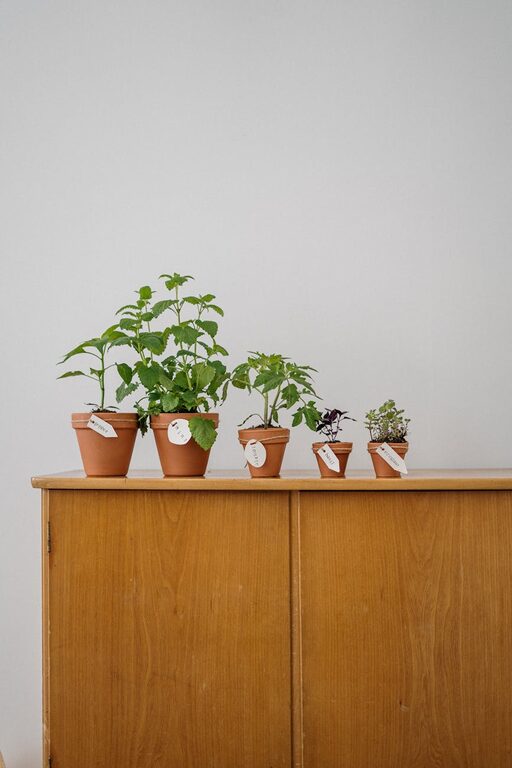
Starting a small herb garden indoors is a rewarding way to bring fresh flavors to your meals and add a touch of greenery to your living space. Whether you have a sunny windowsill or a cozy corner, growing herbs inside your home is easier than you might think. This guide covers everything you need to begin your indoor herb garden journey.
Why Grow Herbs Indoors?
Growing herbs indoors offers several benefits:
– Freshness: Harvest fresh herbs anytime for cooking, teas, or garnishes.
– Convenience: No need to step outside, especially during cold or dry seasons.
– Air Quality: Many herbs help improve indoor air quality.
– Aesthetic Appeal: Herbs add beauty and life to your home décor.
Now let’s dive into how to start your own herb garden inside.
Choosing the Right Herbs
Not all herbs thrive indoors, so selecting the right ones is key. Some beginner-friendly herbs that do well inside include:
– Basil: Perfect for Italian dishes, requires plenty of light.
– Parsley: Hardy and versatile, good for many recipes.
– Mint: Likes indirect light and moderate watering.
– Chives: Low maintenance and easy to grow.
– Thyme: Prefers bright light, drought tolerant.
– Cilantro: Grows quickly but prefers cooler spots.
– Oregano: Needs ample sunlight and well-draining soil.
Choose 3–5 herbs that suit your cooking style and home environment.
Selecting Containers and Soil
Containers
Herbs grow best in containers with good drainage. You can choose from:
– Traditional clay or ceramic pots with drainage holes
– Plastic pots with saucers to catch excess water
– Recycled containers, as long as you add holes for drainage
Small pots (4 to 6 inches) are suitable for most herbs, but larger pots help prevent root crowding.
Soil
Use a high-quality potting mix formulated for indoor plants or herbs. Avoid garden soil which might be heavy or contain pests. A light, well-draining soil helps prevent root rot.
Finding the Perfect Spot
Herbs need adequate light to thrive indoors. Most herbs require:
– 6 to 8 hours of sunlight daily: A south-facing window is ideal.
– If natural light is limited, consider a grow light with full spectrum bulbs.
Avoid drafty windows or spots near heaters and air conditioners, which can stress plants.
Planting Your Herb Garden
Starting from Seeds or Seedlings
– Seeds: Plant seeds according to packet instructions, usually ¼ inch deep. Seeds may take 1–3 weeks to germinate.
– Seedlings or Starter Plants: These give you a head start and are easier for first-timers.
Planting Tips
– Use one herb per container or combine compatible herbs with similar needs in larger pots.
– Water gently after planting to settle the soil.
– Label your plants if you’re growing multiple herbs.
Caring for Your Herbs
Watering
– Water when the top inch of soil feels dry to the touch.
– Water thoroughly but avoid letting the plants sit in excess water.
– Herbs like thyme and oregano prefer slightly drier soil, mint and parsley tolerate more moisture.
Feeding
– Fertilize every 4–6 weeks with a balanced, water-soluble fertilizer diluted to half strength.
– Avoid over-fertilizing, which can reduce flavor.
Pruning and Harvesting
– Regularly pinch off flower buds to encourage leaf growth.
– Harvest by snipping stems above the first set of leaves.
– Use fresh herbs soon after harvesting for best flavor.
Troubleshooting Common Issues
– Yellow Leaves: Could indicate overwatering or lack of nutrients.
– Leggy Growth: Usually caused by insufficient light; move plants to a brighter spot.
– Pests: Keep an eye out for aphids or spider mites. Wash plants gently or use insecticidal soap if needed.
Creative Ideas for Your Indoor Herb Garden
– Use a vertical herb garden frame if space is limited.
– Incorporate attractive pots that match your kitchen décor.
– Group herbs on a sunny windowsill or install floating shelves.
– Plant herbs in themed collections, e.g., “Italian kitchen” or “tea herbs.”
Conclusion
Starting a small herb garden indoors is a fun, easy project with many benefits. With the right plants, containers, light, and care, you’ll enjoy fresh herbs year-round and a greener, more inviting home. So grab some seeds or starter plants, and let your indoor garden grow!
Happy gardening!